Foldable smartphones started as fragile experiments, but recent generations feel far more solid and dependable. Shoppers now expect these devices to survive heavy daily use, frequent folding, and the occasional drop. To meet that demand, brands redesigned display materials, hinges, and internal layers from the ground up. Engineers test each new model for thousands of folds and refine the structure until it holds up under real-world stress. As a result, modern foldables show fewer cracks, smaller creases, and better resistance to dust and water. Understanding what changed inside the display helps buyers judge which phones actually last.
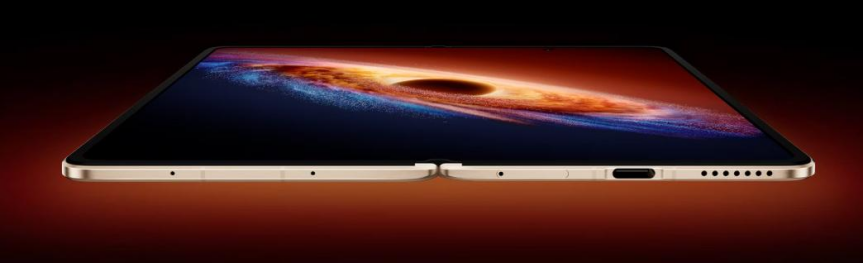
The Technologies That Improve Foldable Display Durability
Ultra-Thin Glass and Flexible Display Materials
Manufacturers now rely on ultra-thin glass (UTG) combined with flexible OLED panels to boost durability. UTG measures only microns thick, so it bends without shattering while still feeling firm to the touch. Brands then add protective polymer layers on top to absorb scratches and minor impacts. This hybrid stack balances flexibility and toughness, something early plastic-only screens lacked. Chemical strengthening, similar to the process used on regular smartphone glass, further increases resistance to cracks. Some companies also tune the OLED substrate to bend more evenly, which reduces stress around the fold line. Together, these materials create a screen that bends thousands of times while staying usable.
Advanced Hinge Designs That Reduce Screen Stress
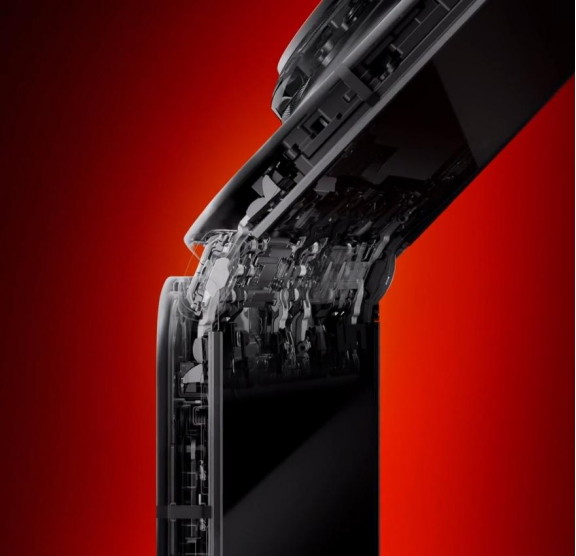
The hinge now plays a central role in display durability. Engineers design complex multi-part hinges that guide the screen into a controlled curve instead of a sharp bend. This spreads stress across a wider area, which protects sensitive pixels and layers. Some hinges use floating plates or sliding components so the display can shift slightly as it folds, preventing rigid points that could crack. Others create a drop-shaped or waterdrop curve, letting the screen rest in a gentle arc when closed. High-strength alloys and precision machining keep the hinge stable over years of folding. Better hinges mean fewer creases, less panel fatigue, and smoother opening and closing.
Multi-Layer Display Structures for Better Protection
Modern foldable displays use carefully engineered stacks of layers, each with a specific job. At the bottom, a flexible backplane and substrate support the OLED pixels. Above that, manufacturers add shock-absorbing films that cushion impacts and reduce pressure on the panel. Ultra-thin glass or toughened polymer sits on top as the primary protective layer. Many brands also include anti-reflective and anti-smudge coatings to improve visibility and daily usability. Adhesives between layers matter as well; they must flex repeatedly without bubbling or separating. By tuning the thickness, hardness, and flexibility of each layer, companies create displays that stay clear, resist scratches, and survive constant folding.
How Manufacturers Increase Long-Term Reliability in Foldable Smartphones?
Fold Testing, Impact Resistance, and Durability Standards
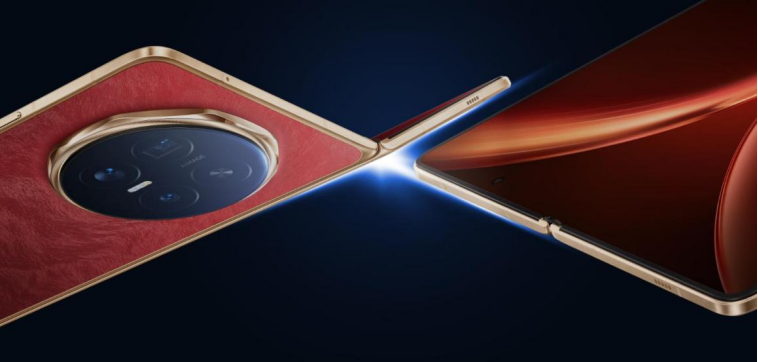
To prove long-term reliability, brands run fold tests that simulate years of use in a short time. Automated machines open and close each design tens of thousands, sometimes hundreds of thousands, of cycles while monitoring the screen and hinge. Engineers then inspect for dead pixels, loosening hinges, or widening gaps. Beyond folding, devices face drop tests, pressure tests, and temperature cycling to expose weak points. Many companies also seek third-party certifications from labs that verify durability claims. These standards help consumers compare models more easily. When the HONOR Magic V6 5G phone passes strict testing, it shows that the display, hinge, and frame can endure typical daily stress.
Crease Reduction Technologies and Everyday Usability Improvements
One of the biggest complaints about early foldables was the visible crease. Manufacturers now tackle this issue with smarter hinge geometry and improved layer stacks. A hinge that forms a softer curve reduces stress at the fold line, so the crease appears shallower. Thicker support layers under the OLED panel can also distribute pressure more evenly. Some brands adjust how tightly the device closes, leaving a tiny gap to avoid over-bending. On the surface, better protective films and coatings help the screen look smoother and feel more uniform under the finger. These improvements make scrolling, typing, and watching videos feel closer to a traditional flat display.
Water Resistance, Dust Protection, and Future Durability Innovations
Durability now goes beyond bending. Recent foldables add water resistance by sealing vulnerable points around the hinge, speaker grilles, and buttons. Special gaskets, corrosion-resistant materials, and rubber rings help keep moisture out of the electronics. Dust remains tougher to block because tiny particles can slip through hinge gaps and scratch the screen. To counter this, some designs use bristle-like sweeper elements inside the hinge to brush particles away as the device moves. Looking ahead, manufacturers experiment with harder outer coatings, self-healing polymers that repair minor scratches, and even stronger thin glass. As these innovations mature, foldable displays should last longer and withstand harsher environments.
Conclusion
Modern foldable smartphones feel more durable because engineers have improved every critical part of the display system. Ultra-thin glass and flexible OLED materials now balance toughness and bendability. Advanced hinges reduce stress on the panel, while multi-layer screen structures absorb impacts and resist scratches. Extensive fold and drop testing ensures that current devices can survive years of everyday use. Added water resistance and better dust management further protect the screen and internal hardware. Buyers who once worried about fragile foldables now have more reliable options, and continuing material and design innovations promise even stronger devices in future generations.