Portable solar generators help power your devices efficiently and sustainably. They convert sunlight into electricity, storing it in batteries for immediate or later use. Whether you’re camping, facing a power outage, or seeking eco-friendly energy solutions, these generators are invaluable. For instance, the Anker SOLIX C1000 Gen 2 can charge multiple devices simultaneously with its 2,000W output, 3,000W peak, and 1,024Wh capacity. Discover how these versatile tools can power various electronics, from phones to household appliances, ensuring you’re never left powerless. Learn how to estimate your power needs and choose a suitable generator that meets your energy demands while providing backup during emergencies.
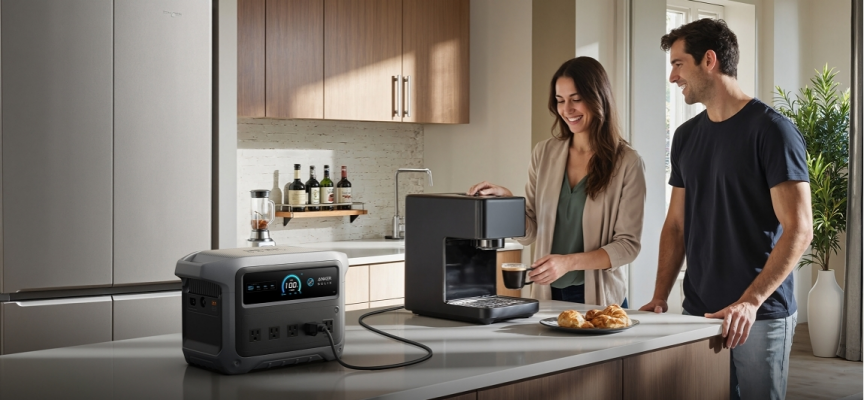
What Types of Devices Can You Power?
Portable solar generators can power devices ranging from small electronics to larger household appliances. Their versatility means you can keep essential gadgets running, ensuring connectivity and comfort even when traditional power sources fail.
Small Electronics
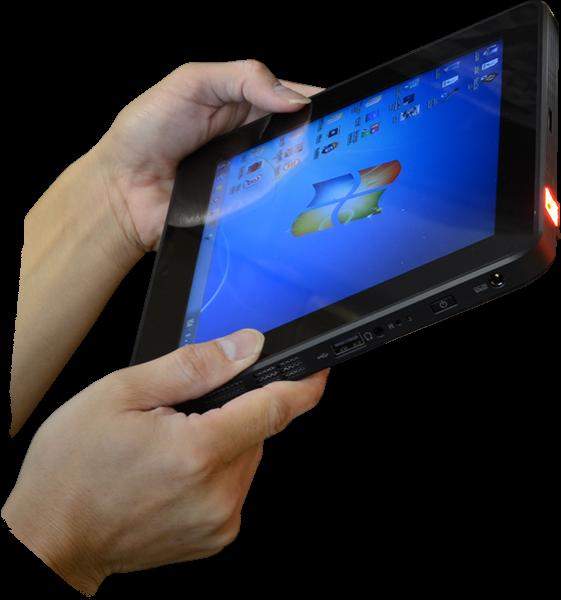
Small electronics are perfect candidates for portable solar power. Smartphones, tablets, and e-readers require minimal energy, making them easy to charge with a solar generator. Devices like the Anker SOLIX C1000 Gen 2, offering ten ports for various connections, allow you to plug in multiple gadgets simultaneously. Since these electronics typically require less than 20W, solar generators can maintain your digital life without difficulty. When camping or suffering a power outage, keeping your small devices charged ensures communication and entertainment remain uninterrupted. With efficient energy storage, you can dependably rely on solar solutions for continuous operation, making them a prime option for tech-savvy adventurers and those seeking reliability.
Medium-Power Devices
Medium-power devices, such as laptops and small TVs, typically consume between 50W and 150W per hour. Portable solar generators are well-equipped to handle these energy demands. Using a generator like the Anker SOLIX C1000 Gen 2, these devices can function efficiently. Whether working remotely or watching a movie outdoors, the solar generator offers a sustainable and reliable power source. The key benefit of using solar power lies in its ability to charge your medium-power devices multiple times over extended periods. By leveraging solar energy, you can enjoy these entertainment and work options wherever you go, guaranteeing a productive and enjoyable experience regardless of your location.
Larger Appliances
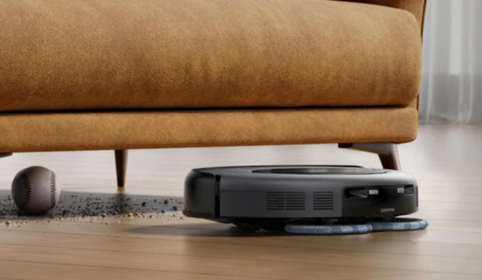
Larger appliances can also benefit from portable solar generators, although careful management of energy resources is required. Devices such as mini-fridges or microwaves, using 150W to 1,000W, can be powered sustainably. The Anker SOLIX C1000 Gen 2’s robust capacity and peak power capabilities make it possible to operate some larger appliances during emergencies or outdoor events. However, conscious planning ensures you stay within power limits. Prioritizing essential appliances during critical moments allows you to maintain functionality and convenience while relying on the eco-friendly power source that solar generators provide. Ultimately, while not suited for every large appliance, solar solutions offer energy versatility where it matters most.
How to Estimate Your Power Needs?
Estimating your power needs is crucial for maximizing the efficiency of your portable solar power generator. Understanding your devices’ wattage requirements helps you select a generator suited for your specific energy consumption.
Step-by-Step Wattage Calculation
Calculating wattage requirements begins with listing device names and their respective energy specifications (found on labels or manuals). Accumulate these wattages to determine total consumption. For example, charging a laptop (100W), phone (20W), and mini-fridge (600W) sums to 720W. Consider usage hours; a phone may need continuous charge, while a fridge runs intermittently. Choose a generator, like the Anker SOLIX C1000 Gen 2, with enough capacity (1,024Wh) to meet these needs. Factor in cloudy days by adding buffer wattage. This careful approach ensures your generator system can supply sustainable and uninterrupted energy to your prioritized devices.
Matching Generator Specs
Matching your devices’ power needs to your generator’s specs requires attention to capacity, output, and port availability. The Anker SOLIX C1000 Gen 2 provides up to ten ports, allowing simultaneous device connections under its 2,000W output with a peak of 3,000W. Make sure your total device wattage fits within these limits. Evaluate if the 1,024Wh capacity meets consumption over time, especially when energy demand is continuous. This understanding ensures effective generator usage, maximizing performance while keeping various devices operational. It’s essential to match each need to generator specifications, providing versatile and seldom-interrupted power for diverse applications.
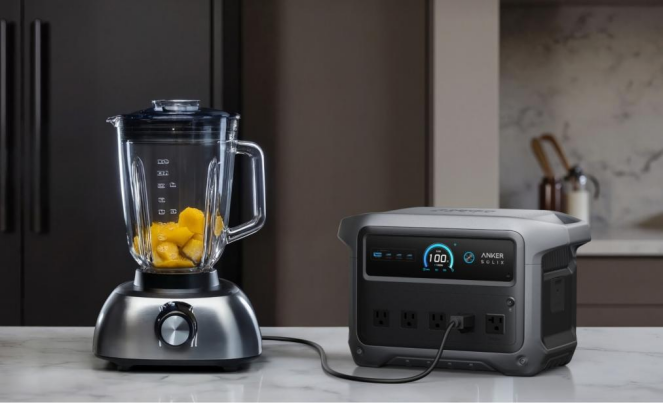
Matching Device Power Needs to Generator Capacity
Matching device power needs ensures efficient portable solar generator usage. Proper assessment prevents overloading and guarantees sustained energy delivery for prioritized devices.
Choosing the Right Size Generator
Choosing an appropriately sized generator demands knowledge of your overall power consumption. Compile wattage data from all devices, considering usage frequency and duration. A high-capacity generator like the Anker SOLIX C1000 Gen 2, with 1,024Wh, supports extended operations. This approach prevents undersizing, which can lead to insufficient power allocation, interruptive device failures, and unsatisfying usability. Analyze your needs—whether for high-demand appliances or multiple low-consumption gadgets—to find a generator meeting your demands effectively. The correct size keeps operations flowing while facilitating eco-conscious energy use in various environments.
How Many Devices Can You Power at Once?
The number of devices a generator powers depends on individual wattage and total capacity. With 2,000W output, the Anker SOLIX C1000 Gen 2 handles major energies, offering continuous operation for multiple devices. As an example, phones (20W), laptops (100W), and speakers (50W) cumulatively reach 170W, fitting comfortably under the generator’s maximum output. Examine peak output, ensuring your most demanding devices don’t exceed limitations. Calculating energy usage per hour allows for strategic device prioritization. Understanding these parameters optimizes generator use, facilitating smooth, simultaneous device operation for everyday and emergency scenarios alike.
Conclusion
Portable solar generators like the Anker SOLIX C1000 Gen 2 provide efficient energy solutions for a wide variety of devices. By understanding your power needs and choosing an appropriate generator, you ensure reliable power delivery, whether for emergencies or outdoor adventures. Analyze wattage requirements, usage duration, and peak outputs to match your devices with generator specs. With the right preparation and knowledge, you can enjoy uninterrupted power for electronics ranging from smartphones to mini-fridges. Sustainable, convenient, and versatile, portable solar generators revolutionize the way we stay connected and operational in different environments.